
Renovating is one of the biggest investments most homeowners make, and it is easy to assume that any upgrade will pay you back when you sell. The truth is more nuanced. While some renovation

Dated: August 12 2026
Views: 46
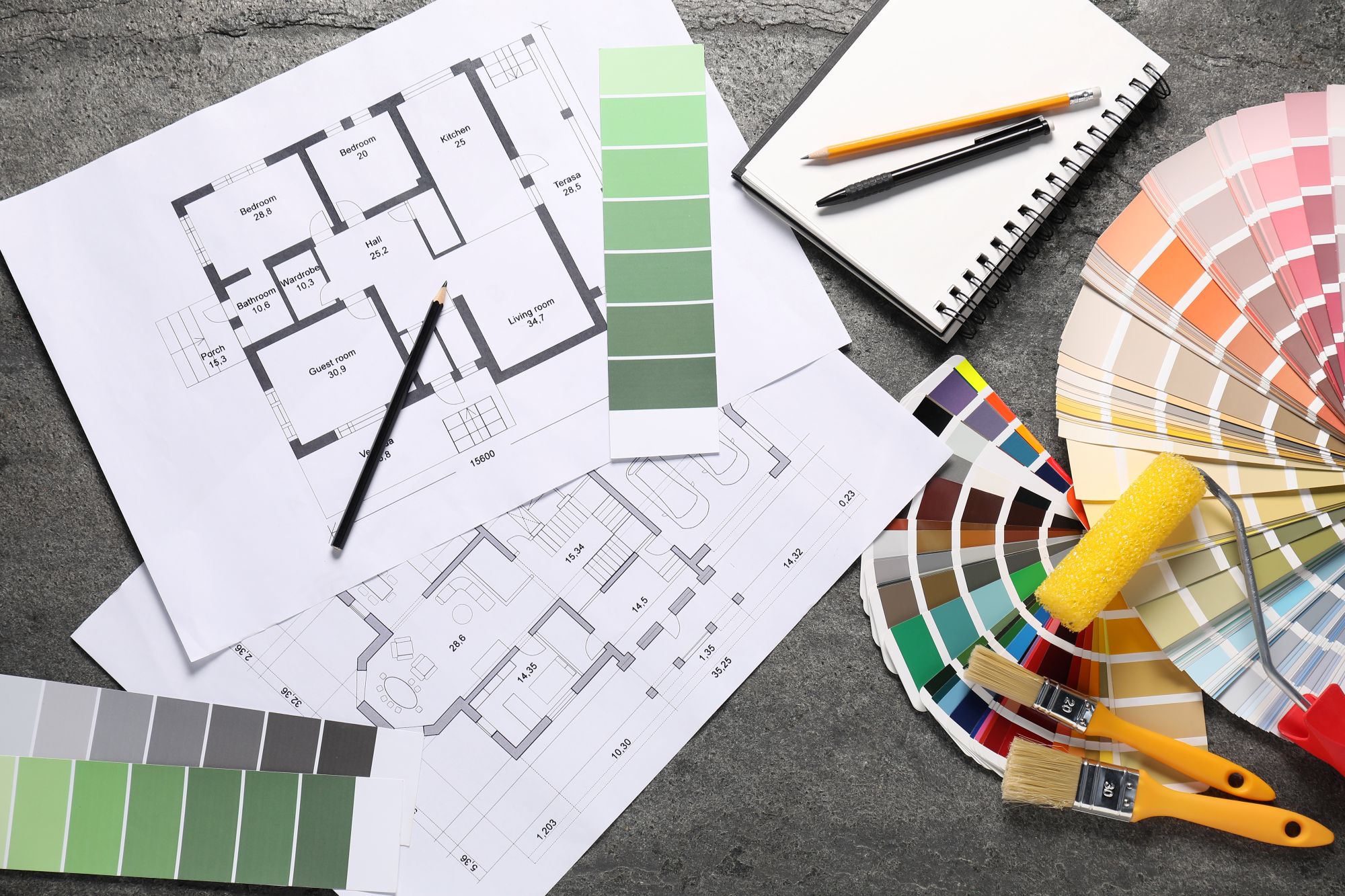
Renovating is one of the biggest investments most homeowners make, and it is easy to assume that any upgrade will pay you back when you sell. The truth is more nuanced. While some renovation projects yield high returns, others recoup little of their costs or can even actively work against your home’s value.
If you’re looking to invest in renovations, here are a few options that can boost your home’s value.
Kitchens and bathrooms remain the primary drivers of buyer interest. According to the Appraisal Institute of Canada (AIC), strategic renovations in these spaces consistently offer strong appeal to buyers.
To maximize profitability, homeowners should focus on cosmetic refreshes rather than full-scale gut renovations. Full-scale renovations require a massive upfront investment and rarely yield a complete financial return. Instead, high-impact, cost-effective upgrades offer a much stronger financial return.
In the kitchen, updating cabinet fronts, installing quartz or granite countertops, and modernizing fixtures and lighting will elevate the design without the premium expense of a layout overhaul. Similarly, updating a bathroom with a new vanity, fresh tile, and a contemporary walk-in shower delivers a premium, modern aesthetic at a fraction of the cost of a complete rebuild.
Investing in a home’s exterior remains a highly effective strategy for maximising its resale value. AIC points out that professional painting work offers an excellent return on investment, whilst a high-quality product often allows you to recoup the full cost of your investment. This is particularly true of steel front doors, which prove to be especially cost-effective for enhancing the home’s first impression.
The Canadian real estate market has experienced a significant shift toward sustainability. Driven by escalating utility costs and expanding provincial rebate programs, energy-efficiency upgrades such as enhanced insulation, smart thermostats, cold-climate heat pumps, and high-performance window replacements are increasingly factored into a property’s appraised value rather than just its operational costs.
Before establishing a project budget, it is critical to review active federal and provincial incentive programs, as eligibility and funding levels fluctuate annually. Programs such as Quebec’s Rénoclimat and Hydro-Québec’s LogisVert, Ontario’s Home Renovation Savings, and Better Homes BC run concurrently with federal initiatives. Aligning your project with these active incentives can substantially improve your ROI.
While basement finishing is highly requested, its financial payback is frequently misunderstood. On its own, a cosmetic basement renovation typically yields a modest return of 50% to 85%. However, two primary factors can dramatically alter this calculation:
Ultimately, not every home improvement needs to be justified by resale value; personal comfort, safety, and long-term enjoyment are equally valid reasons to renovate. However, when return on investment is a priority, cosmetic kitchen and bathroom refreshes, alongside low-cost exterior updates like fresh paint and steel entry doors, offer the most reliable financial recovery.
Contributor
Valérie Coveney
Manager, Research and Communications
Valérie Coveney and her team work to turn complex financial, housing, and economic data into clear, meaningful narratives for Canada’s national and Quebec markets, including strategic reports and research-driven insights. Before joining Royal LePage’s Research and Communications team in 2026, she worked in strategic communications and translation project management.

As an award winning REALTOR®, my clients can expect Exceptional Real Estate Service. I really want to ease the pressure points in the real estate process and guide people through the often challen....
Renovating is one of the biggest investments most homeowners make, and it is easy to assume that any upgrade will pay you back when you sell. The truth is more nuanced. While some renovation
For two years, most Canadians watching the housing market have been braced for one of two dramatic endings: a deeper slide, or a rate-cut-fuelled boom. Buyers waited for prices to fall further.
When most people picture negotiating on a home, they picture one number: the list price. You offer somewhere under the asking price, the seller counters, you settle in the middle, and whoever gives
The playbook for selling a home has changed fast. Buyers have more options, more leverage, and they are using it.According to the Canadian Real Estate Association (CREA), active listings on Canadian
 The above information is deemed reliable, but is not guaranteed. Search facilities other than by a consumer seeking to purchase or lease real estate, is prohibited.
The property information on this website is derived from Royal LePage listings and the Canadian Real Estate Association's Data Distribution Facility (DDF®) . DDF® references real estate listings held by brokerage firms other than Royal LePage and its franchisees. The above information is from sources believed reliable, however, no responsibility is assumed for the accuracy of this information. Contact information is provided to facilitate inquiries from consumers interested in real estate services. Please do not contact the website owner with unsolicited commercial offers.
The MLS® mark and associated logos identify professional services rendered by REALTOR® members of CREA to effect the purchase, sale and lease of real estate as part of a cooperative selling system.
The trademarks REALTOR®, REALTORS® and the REALTOR® logo are controlled by The Canadian Real Estate Association (CREA) and identify real estate professionals who are members of CREA. The trademarks MLS®, Multiple Listing Service® and the associated logos are owned by CREA and identify the quality of services provided by real estate professionals who are members of CREA.
All offices are independently owned and operated, except those marked as indicated. View important disclosures and notices about Royal LePage® trademarks at rlp.ca/notices. © 2026 Bridgemarq Real Estate Services®. All rights reserved.